
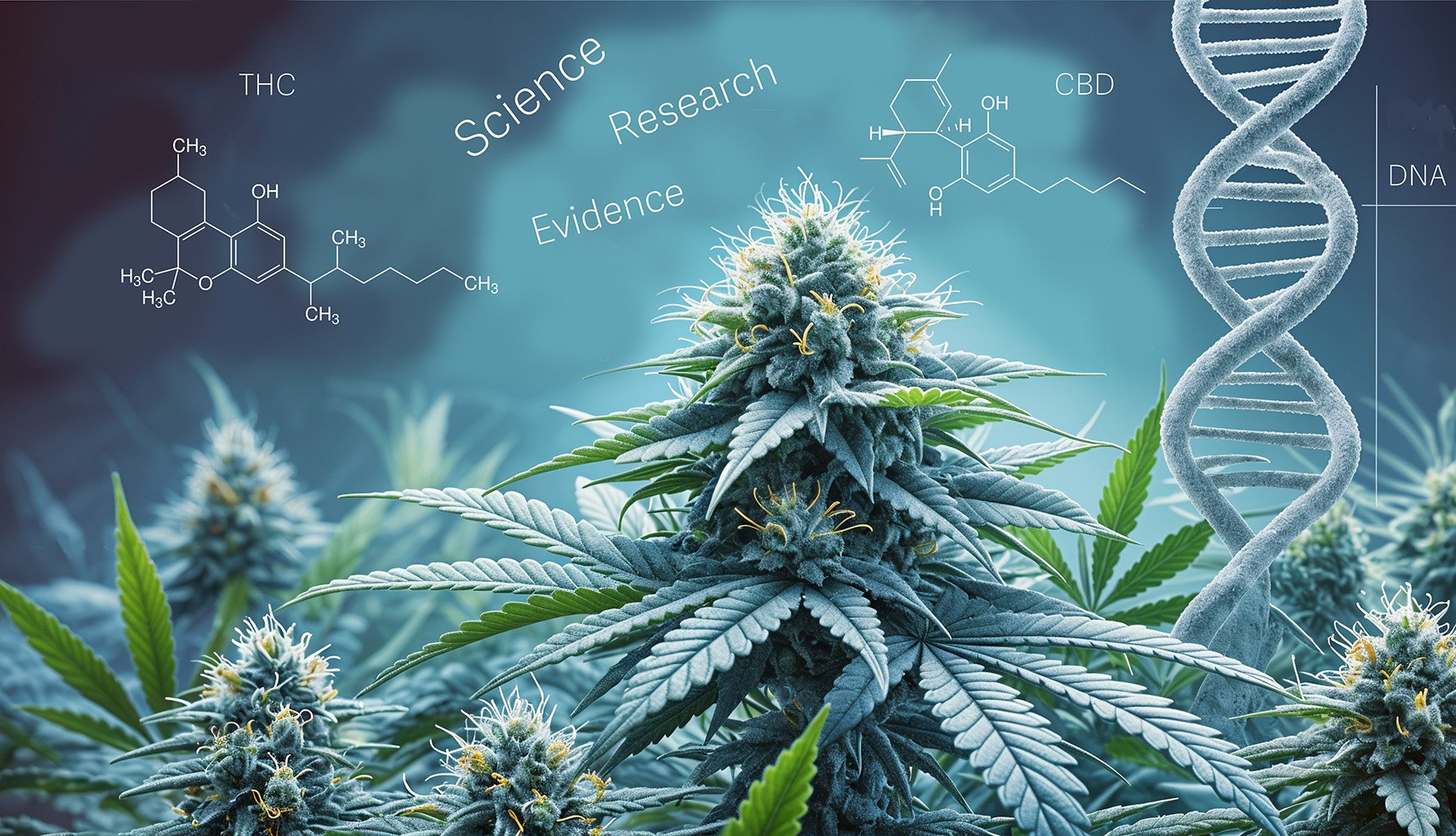
Medicinal Cannabis: the science, evidence, risks and UK prescribing landscape
New Evidence reviewed and updated to 22 August 2026
|
Important “Medicinal cannabis” is not one treatment. Clinical effects and risks depend on the cannabinoid content, particularly THC and CBD, the dose, route, formulation, indication, age, comorbidity and other medicines. Evidence for one product or condition should not be extrapolated to another. |
1. Medicinal cannabis in 2026: the short version
Cannabis-based medicinal products (CBPMs) have a legitimate but limited role in modern medicine. The strongest established UK indications are specific severe epilepsies treated with purified cannabidiol, multiple-sclerosis spasticity treated with nabiximols (THC:CBD spray) in appropriate patients, and refractory chemotherapy-induced nausea and vomiting treated with nabilone. Outside these areas, evidence is much more variable and many prescriptions are for unlicensed products after conventional treatments have been inadequate or unsuitable.
· CBD is not simply “non-psychoactive cannabis”: it has distinct pharmacology, clinically important drug interactions, and can affect liver enzymes. Highly purified pharmaceutical CBD has robust evidence in selected epilepsies; this does not validate over-the-counter CBD products for other disorders.
· THC is the principal intoxicating cannabinoid. It may reduce some symptoms in some patients, but higher THC exposure is also associated with impairment, anxiety or dysphoria in some people, dependence, and increased psychosis risk in susceptible individuals.
· For chronic pain, trials and systematic reviews suggest small average improvements for some cannabinoid products, but adverse effects are common and NICE still advises against routine cannabis-based medicines for chronic pain outside trials.
· For psychiatric and neurodevelopmental disorders — including ADHD, depression, anxiety disorders, PTSD and autism — evidence remains insufficient for routine first-line treatment. Some observational data are encouraging, but controlled evidence is limited, heterogeneous or low certainty.
· Prescribed cannabis has been legal in the UK since November 2018, but NHS access remains very restricted. Private prescribing is substantially more common, although robust national patient counts are difficult to establish.
2. What is medicinal cannabis?
Cannabis contains hundreds of biologically active compounds, including phytocannabinoids and terpenes. The two best characterised cannabinoids are delta-9-tetrahydrocannabinol (THC) and cannabidiol (CBD). Medical cannabis may refer to licensed medicines, purified cannabinoids, synthetic cannabinoids, or unlicensed cannabis-based medicinal products manufactured to pharmaceutical standards.
|
Component / product |
Key pharmacology |
Typical clinical relevance |
Important cautions |
|
THC |
Partial agonist at CB1 and CB2 receptors; central CB1 effects drive intoxication. |
Contributes to analgesic, antiemetic, antispasticity and appetite effects in some formulations. |
Dose-related impairment, anxiety/dysphoria, tachycardia, dependence and psychosis risk in susceptible people. |
|
CBD |
Complex pharmacology; low affinity for CB1/CB2, with multiple receptor, ion-channel and enzyme effects. |
Established antiseizure efficacy in specific severe epilepsies at pharmaceutical doses. Studied in many other conditions. |
Drug interactions, somnolence, diarrhoea and transaminase elevation; effects differ markedly by dose and formulation. |
|
Nabiximols (Sativex) |
Standardised approximately 1:1 THC:CBD oromucosal spray. |
Licensed in the UK for treatment-resistant MS spasticity; NICE recommends a response-based trial in eligible adults. |
Dizziness, fatigue, cognitive effects; THC-related driving and psychiatric considerations. |
|
Nabilone |
Synthetic cannabinoid with THC-like effects. |
NICE: consider as add-on for persistent chemotherapy-induced nausea/vomiting despite optimised antiemetics. |
Sedation, dizziness, psychiatric effects and interactions with CNS depressants. |
|
Purified CBD (Epidyolex) |
Highly purified pharmaceutical cannabidiol. |
NICE-supported use in selected severe epilepsies, including Lennox-Gastaut, Dravet and tuberous sclerosis complex under specified criteria. |
Liver-function monitoring and clinically relevant interactions, especially with some antiseizure medicines. |
|
Unlicensed CBPMs |
Plant-derived products with specified THC/CBD content, supplied as specials. |
Used in specialist private practice for a range of treatment-resistant symptoms/conditions. |
Evidence is indication- and product-specific; quality, dosing, monitoring and informed consent are critical. |
3. The endocannabinoid system
Overview
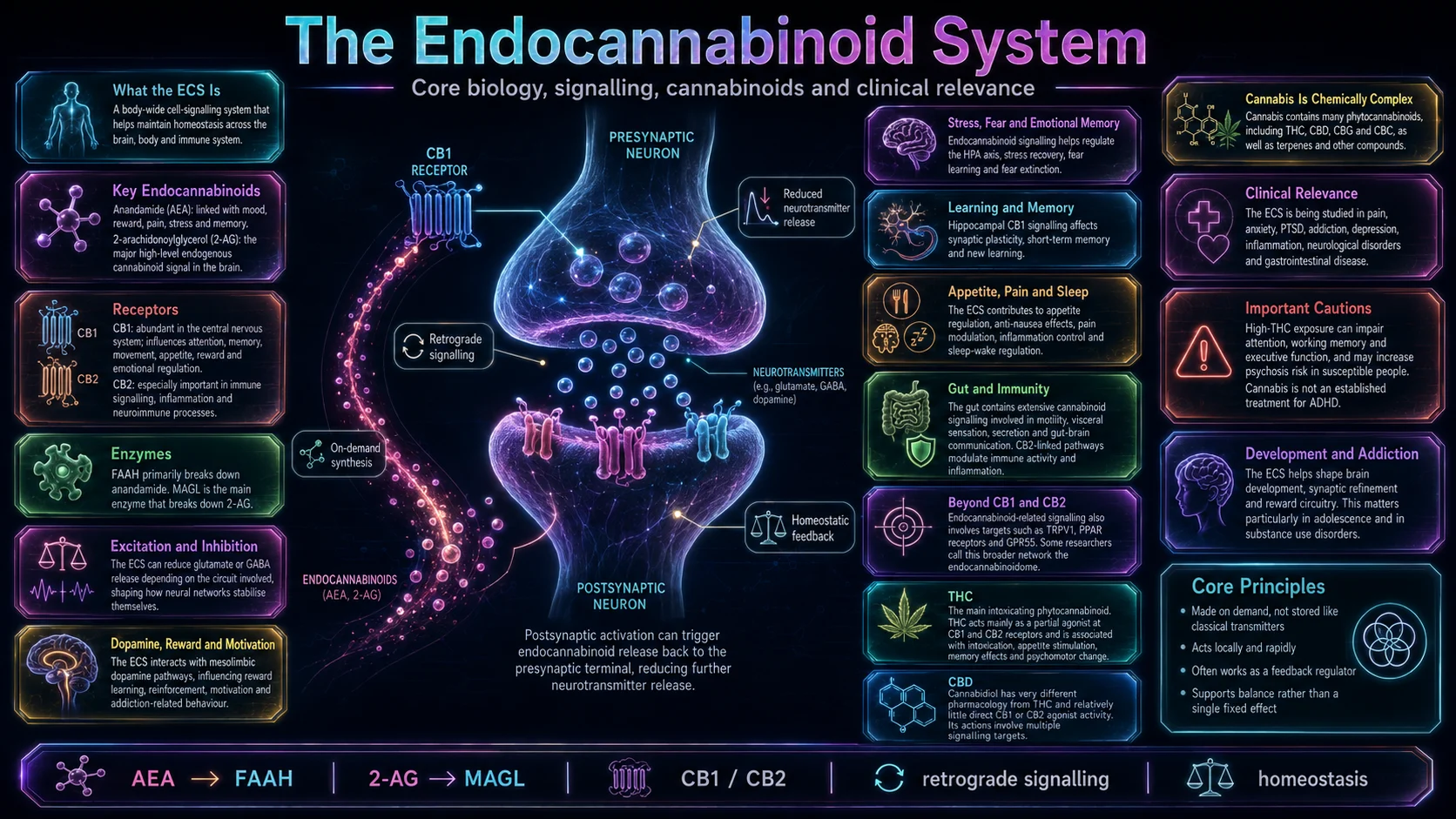
The endocannabinoid system (ECS) is a widespread neuromodulatory network involved in synaptic signalling, stress responses, appetite, pain processing, immune signalling, memory, reward and motor control. Its principal endogenous ligands include anandamide (AEA) and 2-arachidonoylglycerol (2-AG). CB1 receptors are abundant in the central nervous system, while CB2 receptors are prominent in immune and peripheral tissues, although both occur more widely than this simple distinction suggests.
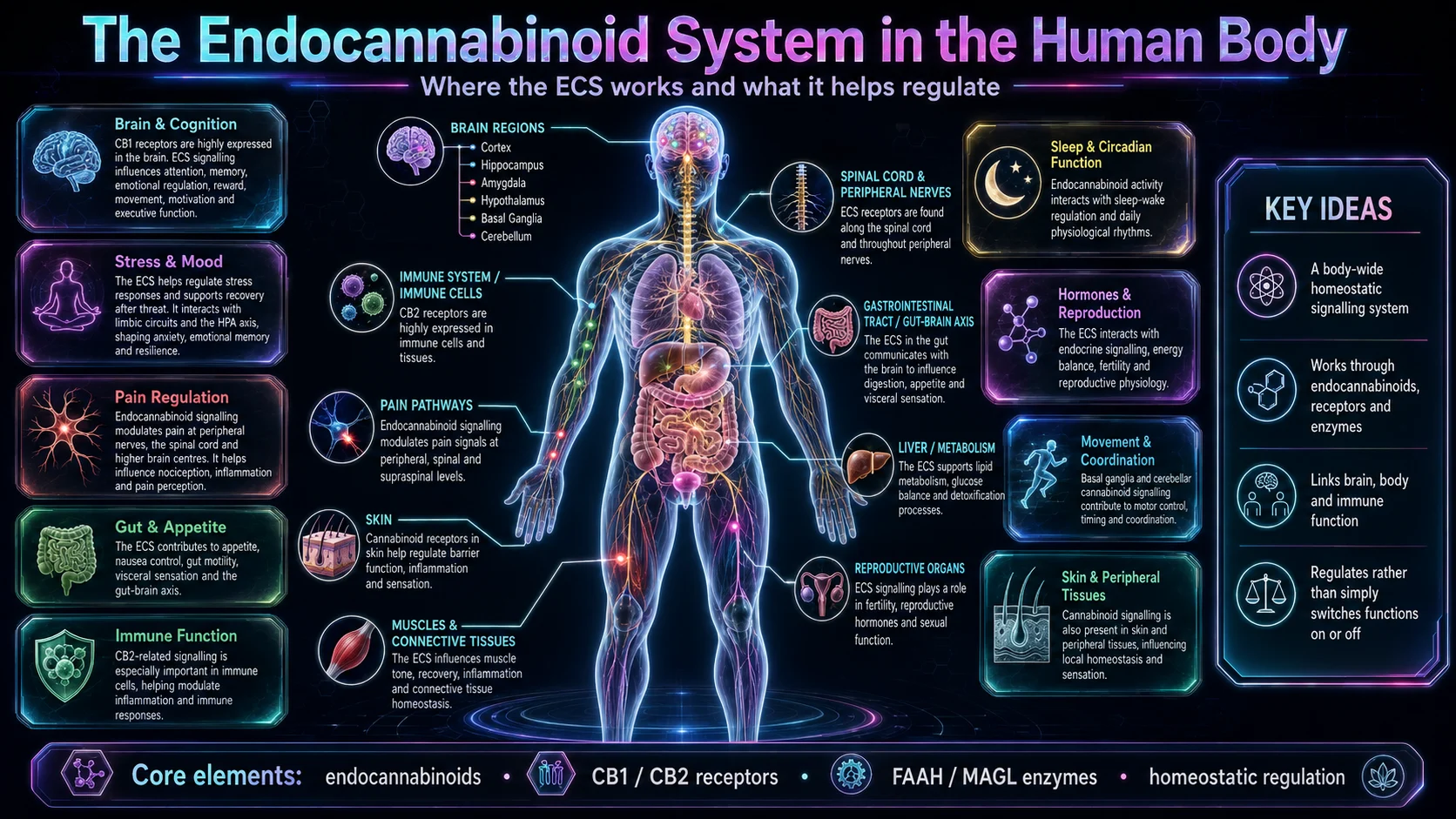
THC can activate cannabinoid receptors directly, especially CB1, which explains both potential therapeutic effects and intoxication-related effects. CBD is pharmacologically different: it does not act as a straightforward CB1 agonist and has multiple proposed molecular targets. Claims that CBD simply “corrects endocannabinoid deficiency” or that particular terpenes reliably determine clinical effects remain unproven in routine clinical practice.
4. UK law, access and prescribing
Cannabis-based products for medicinal use were moved into Schedule 2 of the Misuse of Drugs Regulations in November 2018. This made specialist prescribing lawful; it did not legalise recreational cannabis or make all cannabis/CBD products equivalent to medicines.
· NHS prescribing: a cannabis-based medicine can be prescribed on the NHS by a specialist hospital doctor, or under specialist supervision. NHS access remains uncommon and is concentrated around defined indications such as severe epilepsy, MS spasticity and refractory chemotherapy-related nausea/vomiting.
· Private prescribing: doctors on the GMC Specialist Register may prescribe CBPMs privately. NHS England states that specialist doctors in non-NHS settings are legally able to prescribe and should follow equivalent safeguards for unlicensed special medicines.
· Treatment should be based on a documented clinical assessment, consideration of licensed/evidence-based alternatives, informed discussion of uncertainties and risks, and appropriate monitoring. Local clinic governance and multidisciplinary review processes may go beyond the minimum legal requirements.
· Possession of cannabis remains unlawful unless it is lawfully prescribed. Patients should keep prescribed medication in its original dispensing packaging and retain supporting prescription/clinical documentation where appropriate.
· Driving: a prescription is not permission to drive while impaired. In England, Scotland and Wales it is illegal to drive if a medicine impairs driving. A statutory medical defence may apply to specified drug limits when the medicine was prescribed and taken as directed, but it does not protect a driver who is actually impaired.
5. What conditions have evidence?
The quality of evidence differs dramatically by condition and product. The table below separates established uses from areas where evidence is suggestive, inconsistent or insufficient.
 Visit medbud.wiki ↗
|
Condition / symptom |
Current evidence |
UK/NICE position |
Practical interpretation |
|
Severe treatment-resistant epilepsy |
Strong for pharmaceutical CBD in specific syndromes; condition- and product-specific RCT evidence. |
Recommended in defined circumstances for Lennox-Gastaut/Dravet and tuberous sclerosis complex via NICE technology appraisals. |
Established specialist use; do not generalise results to non-pharmaceutical CBD oils. |
|
MS spasticity |
Moderate evidence for nabiximols in selected patients who have not responded adequately to other antispasticity treatment. |
NICE recommends a 4-week trial with continuation only if symptoms improve by at least 20%. |
One of the clearest UK indications for a THC:CBD medicine. |
|
Chemotherapy-induced nausea/vomiting |
Evidence for cannabinoid antiemetic activity; nabilone is a licensed/specialist option. |
NICE: consider nabilone as add-on in adults when symptoms persist despite optimised conventional antiemetics. |
Adjunctive rather than first-line treatment. |
|
Chronic pain |
Systematic reviews show small average pain improvements for some products but increased dizziness, sedation and other adverse effects; long-term certainty is limited. |
NICE advises not to offer nabilone, dronabinol, THC or THC:CBD for chronic pain and not to offer CBD except in a trial. |
Private prescribing occurs, but this is not equivalent to a NICE endorsement; individual benefit must be weighed against modest average effect and harms. |
|
Anxiety disorders |
CBD has signals in experimental/small clinical studies; THC can worsen anxiety in some people. High-quality evidence for routine long-term treatment is insufficient. |
No routine NICE recommendation for cannabis-based medicines for anxiety. |
Avoid presenting CBD/cannabis as an established alternative to evidence-based psychological or pharmacological care. |
|
Depression |
Observational registry studies report improved patient-reported mood and quality of life, but confounding and selection effects limit causal inference. RCT evidence is insufficient. |
No routine NICE recommendation. |
Promising real-world signal, not proof of antidepressant efficacy. |
|
PTSD |
Some observational and small trial data suggest symptom reduction; results are heterogeneous and certainty remains low. |
No routine NICE recommendation. |
May be considered by specialists in exceptional treatment-resistant contexts, but should not be described as established treatment. |
|
Autism |
Recent systematic reviews identify a small number of RCTs and observational studies, mostly CBD-rich products. Some outcomes improve, others do not; certainty is low/very low. |
No routine NICE recommendation for core autism features. |
Research area. Claims of broad improvement in core autism symptoms are premature. |
|
ADHD |
One very small 30-person nabiximols RCT did not meet its primary endpoint; secondary signals did not survive correction for multiple testing. Later reviews still conclude evidence is inadequate. |
No guideline-supported role as an ADHD treatment. |
Do not position cannabis as an evidence-based ADHD medication. ADHD also carries increased risk of cannabis use disorder, so substance-use assessment matters. |
|
Tourette syndrome / tics |
Small studies and reviews suggest cannabinoids may reduce tics in some adults, but evidence remains limited and product-specific. |
Not an established routine NHS indication. |
Potential specialist/research use; larger controlled trials needed. |
|
Inflammatory bowel disease |
Some studies report symptom/QoL improvement, but convincing evidence for objective control of intestinal inflammation is lacking. |
Not routinely recommended as disease-modifying IBD treatment. |
Symptom improvement should not be mistaken for suppression of inflammatory disease activity. |
|
Alzheimer’s disease / dementia |
Preclinical mechanisms are interesting, but human evidence is sparse and does not establish slowing of neurodegeneration or cognitive decline. |
No routine recommendation. |
The prior claim that CBD may slow Alzheimer’s progression should be removed. |
|
Glaucoma |
THC can transiently lower intraocular pressure, but duration is short and psychoactive/cardiovascular effects make cannabis unsuitable for sustained glaucoma control. |
Not recommended as standard glaucoma treatment. |
Historical pharmacological effect, not a practical modern treatment strategy. |
|
Cancer |
Cannabinoids can have roles in symptom control (notably refractory chemotherapy nausea); laboratory anticancer findings have not established cannabis as a cancer treatment. |
No recommendation to treat malignancy itself with cannabis. |
Make a clear distinction between symptom palliation and anticancer therapy. |
|
HIV/AIDS-related symptoms |
Historical evidence supports appetite stimulation and symptom relief with some cannabinoids, but contemporary HIV care has changed substantially. |
Not a routine UK CBPM indication. |
Potential symptomatic role, not antiviral treatment. |
6. ADHD, autism and mental health: a more careful interpretation
ADHD
Cannabis is commonly discussed as “self-medication” in ADHD, but patient preference or subjective calming does not establish treatment efficacy. The principal controlled trial remains the small 2017 EMA-C study of nabiximols in 30 adults. It found no statistically significant benefit on the primary cognitive/activity outcome; some secondary symptom signals were reported, but they did not remain significant after correction for multiple comparisons. A 2024 scoping review still described the relationship between the ECS, cannabis use and ADHD symptoms as poorly understood.
This caution matters clinically because ADHD is associated with a higher prevalence of cannabis use disorder. Cannabis can also affect attention, short-term memory, reaction time, motivation and driving performance, which may overlap with the very functions an ADHD treatment is intended to improve. Cannabis should therefore not be presented as a substitute for established ADHD medication, psychological interventions or environmental support.
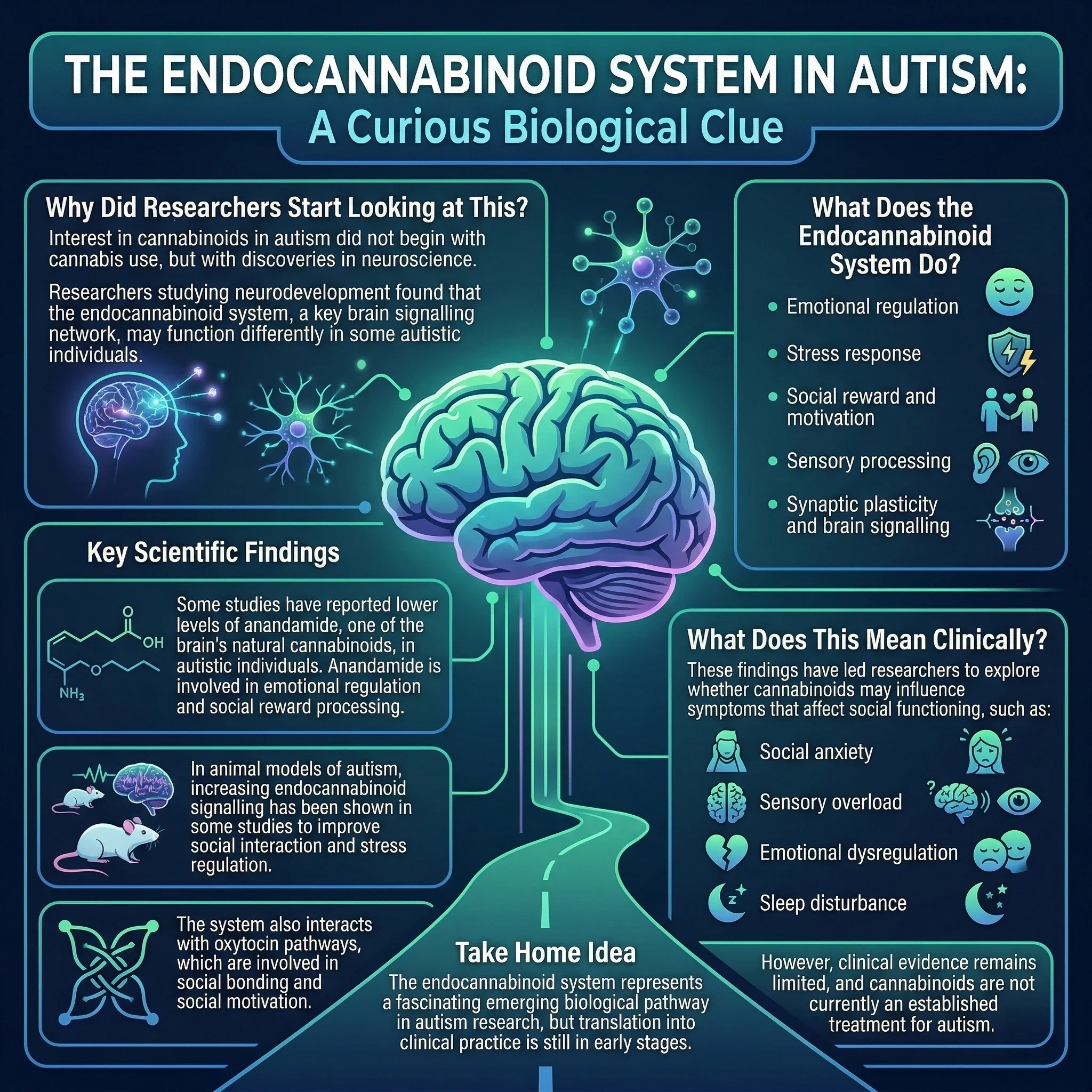
Autism
The autism evidence base has grown but remains uncertain. A 2025 systematic review of randomised trials found only four autism RCTs with available results and rated the certainty of evidence from very low to low. A 2026 systematic review in children and adolescents found 12 studies (four RCTs), with a signal for global clinical improvement and social communication in one trial but no consistent benefit across sleep, overall symptom severity or repetitive behaviour. This is a research-active area, not an established treatment for core autism.
Psychosis, bipolar disorder and vulnerability to adverse psychiatric effects
THC-containing cannabis requires particular caution in people with a personal or strong family history of psychotic illness, previous cannabis-related paranoia or psychosis, unstable bipolar disorder, severe dissociation, or other states in which intoxication may destabilise mental state. Risk is influenced by THC dose/potency, frequency of exposure, age at exposure and individual vulnerability. CBD should not be assumed to neutralise all THC-related psychiatric risk.
7. Safety, adverse effects and interactions
· Common short-term effects: dizziness, somnolence/fatigue, dry mouth, nausea, appetite change, impaired concentration, slowed reaction time, altered perception and intoxication with THC-containing products.
· Psychiatric effects: anxiety, panic, dysphoria, paranoia, hallucinations and, in vulnerable individuals, psychosis. Mood changes and suicidal thoughts require prompt clinical review.
· Dependence: cannabis use disorder can develop. Risk is higher with frequent/high-THC exposure and in people with previous substance-use disorders or other vulnerability factors.
· Cardiovascular effects: THC can acutely increase heart rate and alter blood pressure. Clinical assessment should consider cardiovascular disease, syncope, arrhythmia risk and interacting medicines.
· Cognition and performance: THC can impair attention, memory, coordination and reaction time. This is especially important for driving, operating machinery and safety-critical work.
· Liver and interactions: CBD can inhibit drug-metabolising enzymes and may raise concentrations of some medicines. Pharmaceutical CBD can elevate liver transaminases, especially with particular antiseizure regimens, so monitoring may be required.
· Pregnancy and breastfeeding: cannabis exposure is not considered a benign option. Avoidance is generally advised unless a specialist determines that exceptional benefits outweigh risks; evidence does not establish safety for fetal or infant development.
· Smoking: combustion exposes the lungs to irritants and toxic products and is not an appropriate pharmaceutical delivery strategy. Prescribed products are supplied in specified formulations and should be used exactly as directed.
8. What good specialist prescribing should include
|
Step |
Clinical task |
Why it matters |
|
1 |
Confirm the target problem |
Define the diagnosis or symptom, severity, functional impact and what meaningful improvement would look like. |
|
2 |
Review previous treatment |
Document evidence-based treatments tried, dose/duration, response, adverse effects and reasons they were unsuitable or stopped. |
|
3 |
Assess risk |
Consider psychiatric history, psychosis/bipolar vulnerability, substance-use disorder, cardiovascular disease, pregnancy, cognition, falls, driving and safeguarding. |
|
4 |
Check medicines and interactions |
Review CNS depressants, anticoagulants, antiseizure medication and other drugs metabolised through pathways affected by CBD/THC. |
|
5 |
Choose a defined product and route |
Record THC/CBD content, formulation, dose and titration plan. Avoid treating “cannabis” as a single standardised medicine. |
|
6 |
Use measurable outcomes |
Track symptom severity, sleep, function, quality of life, adverse effects and, where appropriate, objective disease measures. |
|
7 |
Stop when benefit is inadequate |
A therapeutic trial needs explicit continuation and stopping criteria, especially when evidence is uncertain. |
|
8 |
Provide legal and safety advice |
Discuss storage, diversion, travel, driving, work safety, intoxication and what to do if adverse psychiatric effects occur. |
9. T21 / Project Twenty21: what it was and what changed
 Visit ukmccs.org ↗
Neurohaven describes Project Twenty21 as an active initiative aiming to recruit 20,000 patients. That is now out of date. Drug Science states that T21 (formerly Project Twenty21) ran from 2020 to the end of 2024 and has concluded data collection. More than 4,000 patients were helped to access medical cannabis through the project.
T21 remains important because it generated longitudinal UK real-world evidence across conditions including chronic pain, PTSD, sleep problems and older populations. These studies can identify associations, tolerability patterns and patient-reported changes in routine practice. However, registry evidence does not provide the same protection against placebo effects, regression to the mean, selection bias and confounding as randomised controlled trials. It should therefore complement — not replace — controlled evidence.
|
How to describe T21 now Use: “T21 (formerly Project Twenty21) was Drug Science’s UK non-profit medical cannabis patient registry, operating from 2020 to the end of 2024. Data collection has concluded, and the resulting real-world dataset continues to inform publications and policy debate.” |
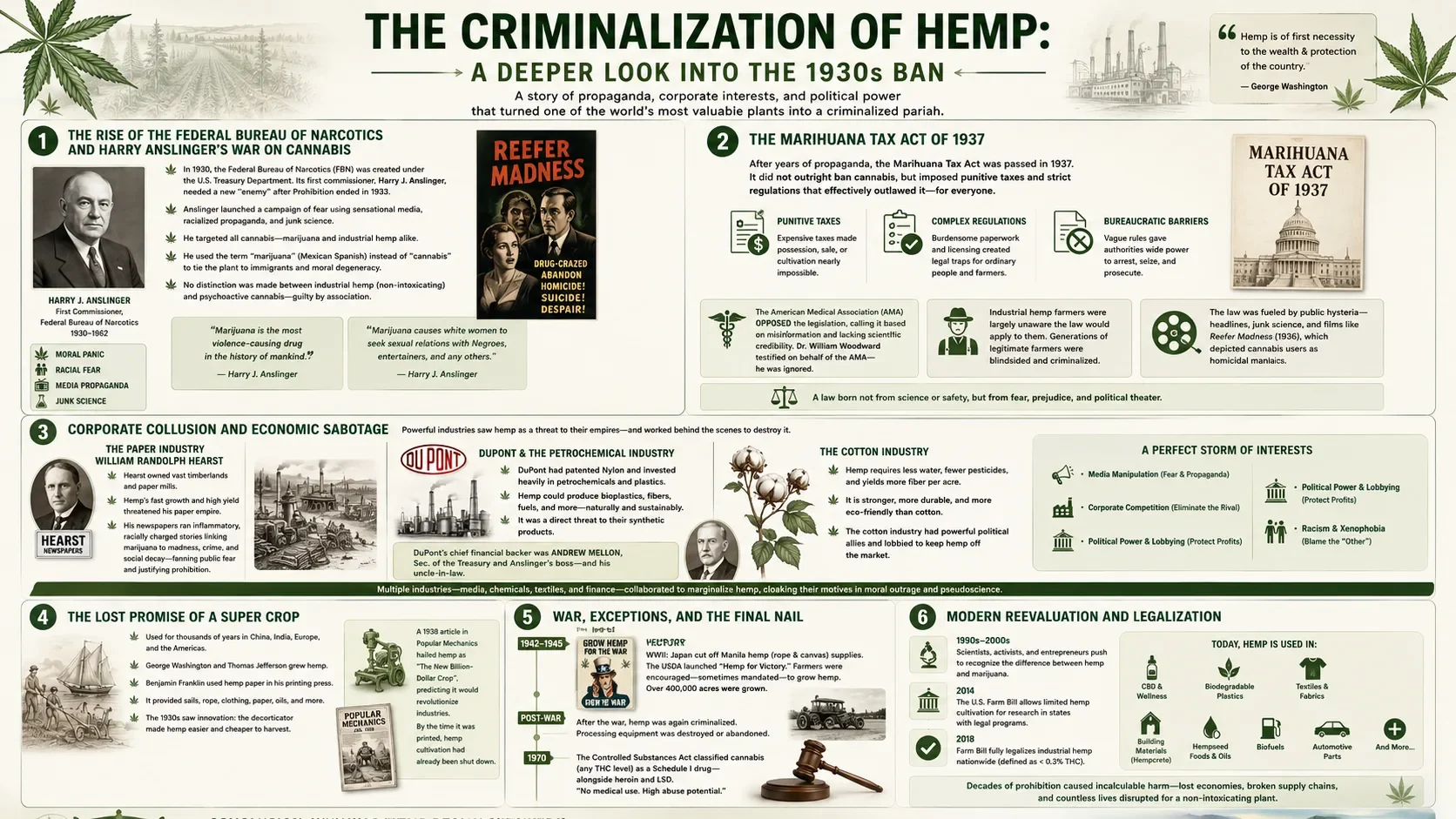
10. Context, stigma and “Reefer Madness”
 Visit en.wikipedia.org ↗
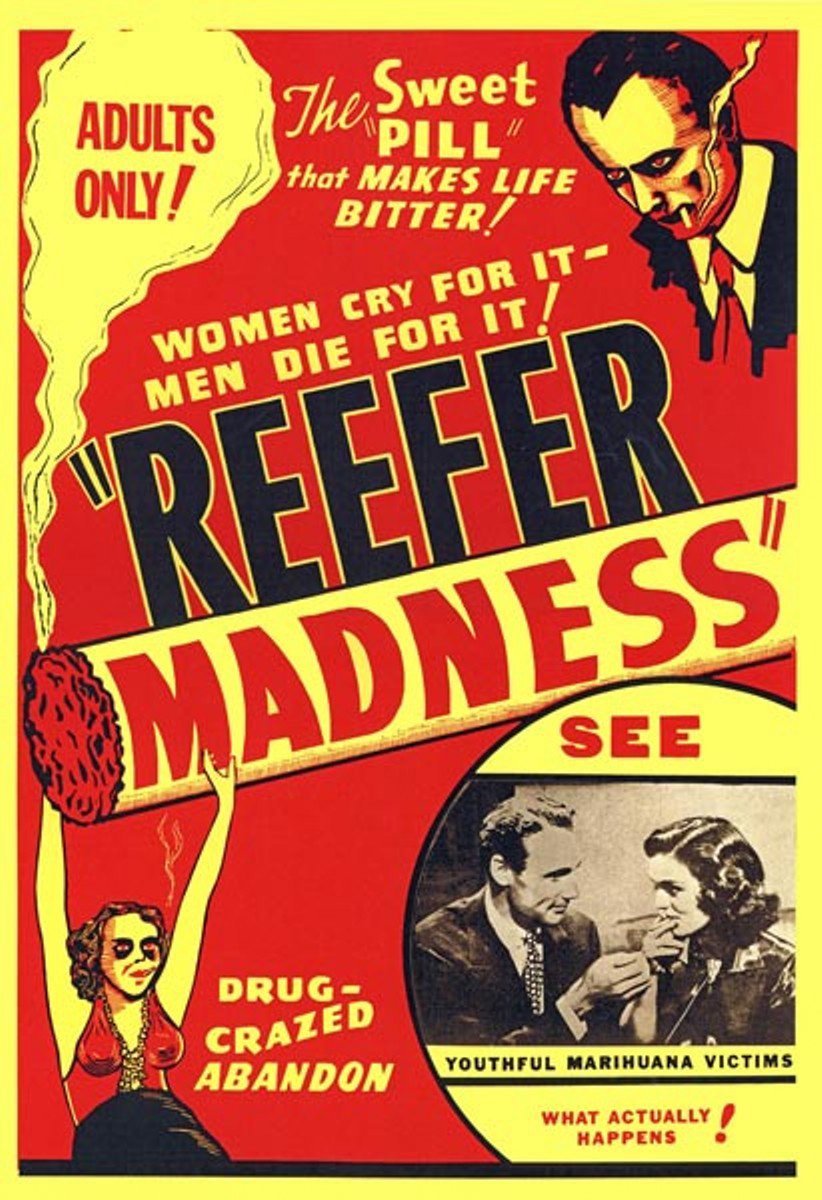
The 1936 film Reefer Madness is a useful historical example of sensationalised drug messaging. Modern evidence supports rejecting both extremes: cannabis is neither the uniformly catastrophic substance portrayed by old propaganda nor a harmless universal medicine. Good public information should distinguish recreational use from controlled medical prescribing, differentiate THC from CBD and other cannabinoids, and discuss both therapeutic evidence and harms with the same standard of scientific scrutiny.
11. External resources and links — cleaned and consolidated
The original page distributes links across multiple headings and embeds. The following table consolidates the most useful external resources, removes duplicate destinations, and separates authoritative guidance from education, research and commercial directories. Commercial links are included for navigation only and should not be treated as endorsements.
|
Organisation / resource |
Purpose |
Link |
Status |
|
NHS |
Patient-facing NHS overview of indications, risks, access and proof of prescription. |
Authoritative public guidance |
|
|
NICE |
National recommendations for nausea/vomiting, chronic pain, MS spasticity, severe epilepsy and prescribing. |
Authoritative clinical guidance |
|
|
NHS
England |
NHS policy and information including private specialist prescribing. |
https://www.england.nhs.uk/long-read/cannabis-based-products-for-medicinal-use-cbpms/ |
Authoritative system guidance |
|
GOV.UK |
Legal framework for driving with prescription and other drugs. |
Authoritative legal guidance |
|
|
Drug
Science |
Research outputs, T21 archive and evidence/education resources. |
Research/education |
|
|
Drug
Science |
Current status and archive of the registry; data collection ended in 2024. |
Research registry archive |
|
|
Drug
Science |
General pharmacology/science material and educational content. |
Education |
|
|
Medical
Cannabis Clinicians Society |
Independent clinician education, practical guidance and professional resources. |
Professional resource |
|
|
Medical
Cannabis Clinicians Society |
Professional network, CPD and peer-support information. |
Professional resource |
|
|
Medical
Cannabis Patients Association |
Patient-led support and representation. |
Patient support |
|
|
MedBud |
Directory/comparison information about UK private clinics and products. Verify independently. |
Commercial/informational directory |
|
|
Cannabis
Access Clinics |
Comparison page linked from Neurohaven. Commercial comparison information should be checked for currentness and conflicts. |
Commercial comparison |
|
Editorial note This document is educational and is designed to distinguish established medical uses, emerging research, private specialist practice and recreational cannabis. It is not a prescribing protocol and should not replace individual clinical assessment, product-specific information, NICE guidance, the Summary of Product Characteristics for licensed medicines, or local governance requirements. |